


Why Your Back or Joint Pain Keeps Coming Back (Even When It Seems to be Getting Better)
Updated: Jun 19
From low back pain to stiff hips and sore joints, here’s why it keeps happening

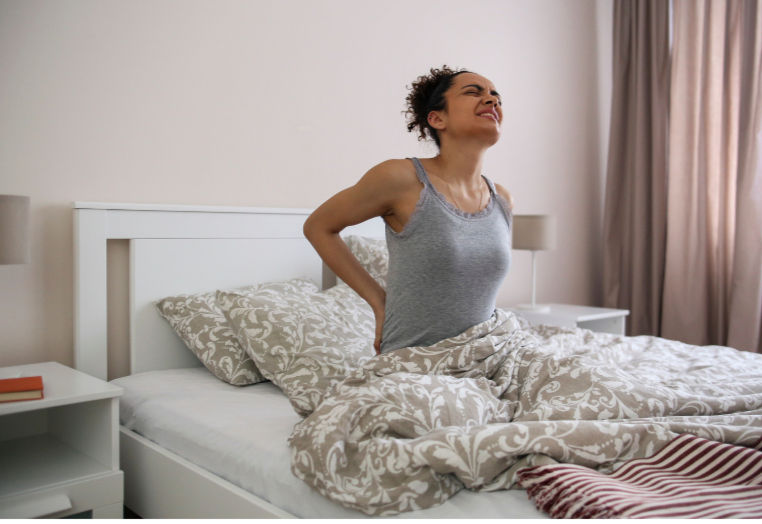
For two weeks, I woke up stiff every morning.
It would ease up as I moved…so I assumed it was getting better.
Then I’d do a bit more...Sit longer, move more normally, try a workout...and it would flare again.
This cycle is incredibly common, especially after 50. It can feel frustrating and unpredictable, but in many cases there’s a clear reason it happens and it’s not because your body is fragile.
Often, pain settles before your body is fully prepared to handle the same demands again. This doesn’t just happen with back pain, it’s common with knees, shoulders, and tendon-related issues as well.
When symptoms improve, it’s tempting to go back to normal activity such as longer walks, heavier lifting, yard work, or getting back into your usual workouts. But if strength, mobility, and tolerance haven’t been rebuilt yet, the same stress that irritated things before is still there. So the cycle repeats.
Pain reduction doesn’t mean full recovery
Pain is only one signal. It can calm down relatively quickly, especially with the range of passive care such as medications, massage, chiropractic or physiotherapy, but other things may still be lagging behind:
muscle strength may still be reduced
joint tolerance may still be lower than before
movement patterns may still be protective or guarded
This is why someone can feel better, return to activity, and then notice symptoms creeping back in. It’s not necessarily a setback, it’s often just a sign that the underlying capacity hasn’t fully caught up yet.
This pattern is especially common with tendon-related issues, which is why avoiding common mistakes early can make a big difference. If you’ve dealt with tendon discomfort before, you may recognize some of these patterns in Tendon Pain? Avoid These 5 Mistakes for Faster Recovery
Rest alone doesn’t build capacity
Rest can be helpful for calming symptoms, particularly during a flare-up. But rest by itself doesn’t:
rebuild strength
improve joint control
increase tolerance to load
restore confidence in movement
Without gradually reintroducing movement, your body isn’t better prepared the next time you do the same activity. In many cases, muscles actually lose capacity during periods of reduced use, the classic “use it or lose it” effect.
This is one reason people sometimes feel stiff or sore after periods of inactivity, especially in the morning. Reduced movement overnight can temporarily decrease joint lubrication and muscle readiness, which I discuss in Why Your Joints Feel Stiff in the Morning (And What Actually Helps After 50).
The key isn’t avoiding movement but it’s returning to it progressively.
Returning to the same load too quickly
Most people don’t gradually build back up. They simply:
feel better
resume normal activity
experience a flare-up
For example, you might go from shorter walks back to your full distance, or from lighter exercises back to your usual routine. Even small jumps in activity can exceed your current tolerance.
This is particularly common with low back discomfort. Things like sitting longer, lifting more, or changing exercise volume can all add up. If your back pain hasn’t been improving, some of these factors may be playing a role, as outlined in Low Back Pain Not Getting Better? 5 Mistakes.
Small increases add up
Recurring pain is rarely caused by one dramatic movement. More often it’s the accumulation of small changes:
a few busy days
longer periods of sitting
extra yard work
adding intensity to workouts
less recovery time
Individually these seem minor, but together they can exceed what your body is currently prepared for.
This is why rebuilding strength is so important, stronger muscles help distribute load more effectively and support joints during everyday activity. If you’re wondering how strength training fits into long-term joint health, you may find 5 Proven Benefits of Strength Training for Osteoarthritis Relief helpful.
What actually helps break the cycle
Instead of focusing only on pain relief, the goal is to gradually rebuild capacity. That includes:
progressively rebuilding strength
improving mobility and joint control
increasing tolerance to activity
returning to normal movement step by step
This approach helps reduce flare-ups and builds confidence in your body again. It also shifts the focus from avoiding movement to preparing for it.
The next step
If your pain keeps coming back, it doesn’t necessarily mean something is wrong. It often means your body needs gradual progression, not just stretches, passive care and rest.
When strength and tolerance improve, everyday activities feel easier, and flare-ups tend to become less frequent.
If you’re dealing with recurring stiffness or flare-ups, I created a free 5-Day Joint-Loving Habits Mini Guide with simple strategies to help you start rebuilding strength and mobility safely.
If you’d like more personalized guidance, you can also book a consultation and we’ll look at your movement patterns and goals together. Get started today
Frequently Asked Questions:
Why does my pain keep coming back even when I feel better?Pain often settles before your body has fully rebuilt the strength and tolerance needed to handle normal demands. When you return to regular activity too soon, the same stress that caused the problem in the first place is still there.
Is it normal for pain to flare up again after a period of improvement?
Very common, especially after 50. It usually isn't a sign that something is seriously wrong. It's more often a sign that underlying capacity, strength, joint tolerance, and movement patterns, hasn't fully caught up yet.
Does rest help with recurring pain?
Rest can calm a flare-up, but it doesn't rebuild strength, improve joint control, or increase your tolerance to load. Without gradually reintroducing movement, your body isn't better prepared the next time you do the same activity.
How do I break the pain-flare-rest cycle?T
he goal is to gradually rebuild capacity rather than just manage symptoms. That means progressively increasing strength, mobility, and tolerance to activity, and returning to normal movement step by step rather than jumping back to your usual routine all at once.
About the author:
Dr. Melanie Wintle is a chiropractor and corrective exercise specialist with over 30 years of experience helping active adults stay strong, mobile, and independent through strength training and rehabilitation.
References
Skou, S. T., & Roos, E. M. (2021). Good life with osteoarthritis in Denmark (GLA:D™): Evidence-based education and supervised neuromuscular exercise delivered by certified physiotherapists nationwide. BMC Musculoskeletal Disorders, 22(1). https://link.springer.com/article/10.1186/s40814-021-00863-7
Caneiro, J. P., O’Sullivan, P., Lipp, O. V., Mitchinson, L., Oeveraas, N., Bhalvani, P., & O’Sullivan, K. (2021). Evaluation of implicit associations between back posture and safety of bending and lifting in people without pain. BMC Musculoskeletal Disorders, 22(1). https://link.springer.com/article/10.1186/s12891-021-04858-6
Disclaimer
This site offers health, fitness, and nutritional information and is designed for educational purposes only. You should not rely on this information as a substitute for, nor does it replace, professional medical advice, diagnosis, or treatment. If you have any concerns or questions about your health, you should always consult with a physician or other health-care professional. Do not disregard, avoid, or delay obtaining medical or health-related advice from your health-care professional because of something you may have read on this site. The use of any information provided on this site is solely at your own risk.


Comments